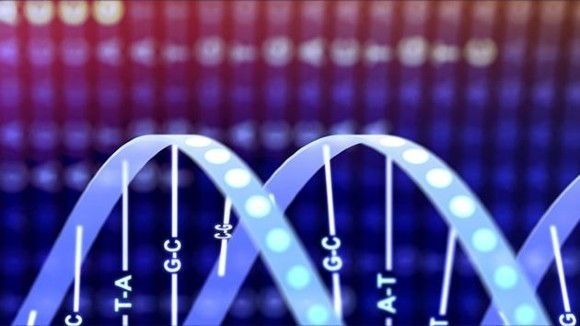
Welcome to Heredity
Heredity is an official journal of the Genetics Society, and publishes original research in all areas of genetics, complemented by News & Commentary articles and reviews keeping researchers and students abreast of hot topics.
To hear about the research in the words of the scientists themselves, listen to the Heredity podcasts.
Check the Heredity forum for debate on hot articles or to air your views on anything published in the journal.
Free online issue
Volume 100, No 5
May 2008
ISSN: 0018-067X
EISSN: 1365-2540
2006 impact factor 2.872*
56/131 Genetics and Heredity
Managing editor:
R Nichols
* Journal Citation Reports, Thomson 2007
FEATURED ARTICLES
EDITORIAL
Experimental evolution FREESHORT REVIEW
Predicting evolution from genomics: experimental evolution of bacteriophage T7 FREESHORT REVIEW
Experimental evolution: experimental evolution and evolvability FREESHORT REVIEW
The tragedy of the commons in microbial populations: insights from theoretical, comparative and experimental studies FREESHORT REVIEW
Experimental evolution of plant RNA viruses FREESHORT REVIEW
Kin selection and the evolution of virulence FREENEWS
Latest comments on the Heredity Forum
Neil Howell and colleagues respond to an earlier commentary in Heredity (Heredity 100, 1-2) on mtDNA rate measurement and join in the molecular clock debate. Read this comment FREE now on the Heredity Forum!
Welcome to the Heredity Podcasts

Each month Elli Leadbeater and Steve Le Comber present a free audio show. The podcast features interviews with the people behind the science and a digest of breaking news from Heredity editor Richard Nichols at Queen Mary University of London
Heredity Podcast
-
Research and Reviews
Latest research highlights and reviews from the NPG family of journals
- Lazarus's Gate: Challenges and Potential of Epigenetic Reprogramming of Somatic Cells Source: Clinical Pharmacology & Therapeutics
- Science and society: Heavy ion carcinogenesis and human space exploration Source: Nature Reviews Cancer
- PML targeting eradicates quiescent leukaemia-initiating cells Source: Nature