
Collection |
Collections
Filters
-
Collection Type
-
-
Spotlight |
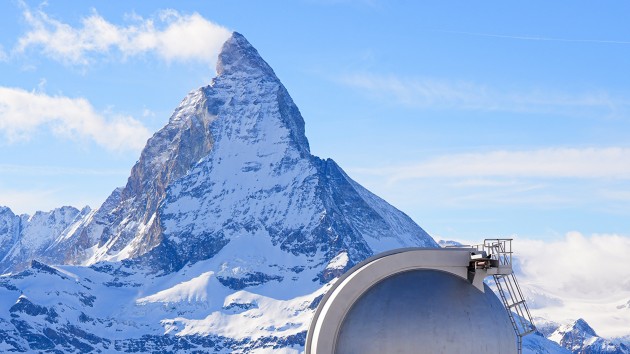 Switzerland
Switzerland has enjoyed a warm relationship with the rest of Europe for decades – but how has that influenced the research done in the country?
Image: Alexandre.ROSA/Shutterstock -
Special |
 All of Us
To fully understand human health and allow everyone access to advances in biomedicine, research programmes must include participants from diverse backgrounds.
Image: Danielle Mastrion/All of Us Research Program -
Advertisement Feature |
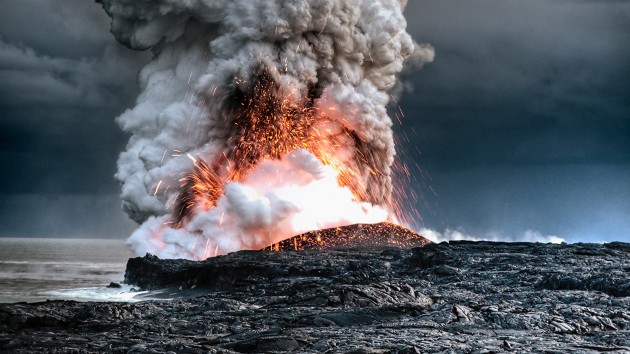 The Deep-time Digital Earth (DDE) Big Science Program: Geoscientists vote on most pressing global challenges
From ecosystem change to natural hazards, studies of the fundamentals of the planet we live on have never been so important.
Image: @Alain Barbezat/500px Prime/Getty -
Collection |
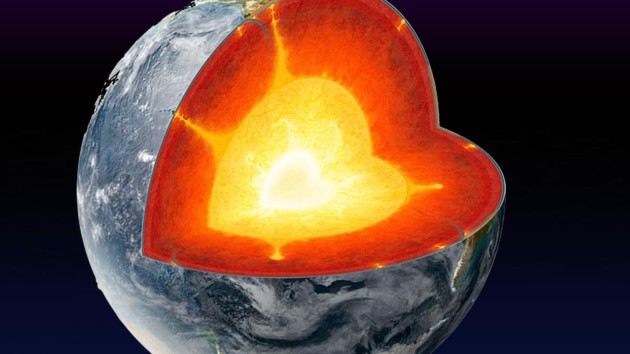 Constraints on mantle heterogeneity
Understanding the heterogeneities in Earth’s mantle, including their origin, structure, and variability, is crucial for comprehending the long-term history of internal changes that have shaped our planet.
Image: Dorling Kindersley: Arran Lewis / NASA / Alamy Stock Photo -
Collection |
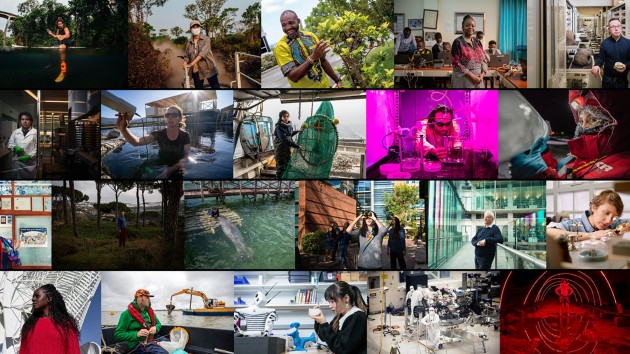 A photographic exhibition of scientists at work
What does a scientist do, where do they work, and what do they look like? Nature marked its 150th anniversary in 2018 by introducing a weekly photo essay profiling a scientist in their workplace. Since then, the Where I Work section has showcased more than 200 scientists from more than 70 countries at work in labs, during fieldwork, running companies, funding agencies, treating patients and teaching children. The photographs, now exhibited in King’s Cross, London, depict and celebrate the diversity of science and scientists.
-
Series |
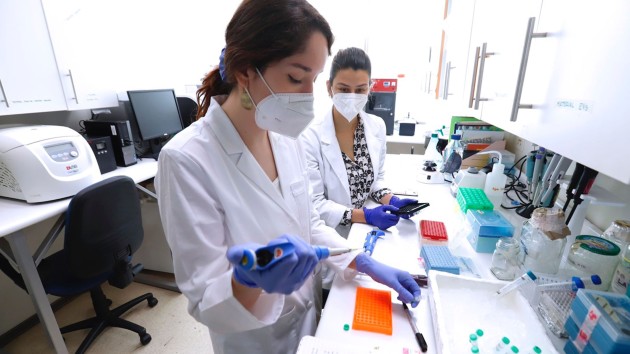 Latin American women in science and technology
Female scientists in Latin America are forming alliances nationally and internationally to address systemic challenges faced by women in science across the world, but also those that are specific to their region.
Image: Dirección de Comunicaciones/Universidad de Los Andes -
Nature Outline |
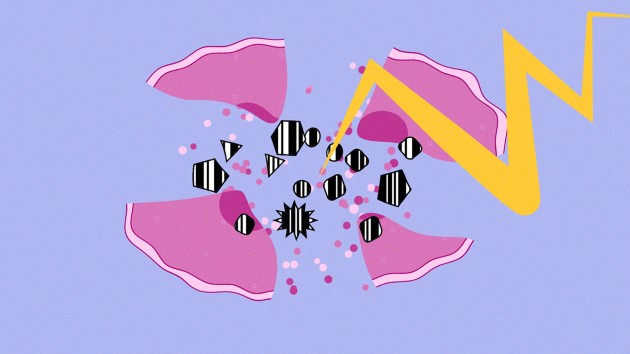 Cancer vaccines
The use of vaccines not to prevent illness but as treatments, rallying the immune system to attack existing tumours, has the potential to revolutionize cancer therapy.
Image: Andrew Khrosravini -
Focal Point |
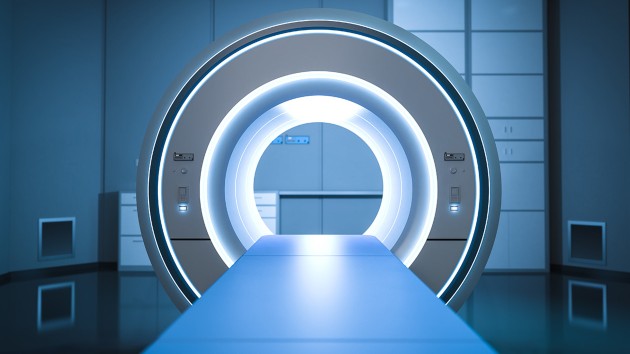 Focal Point on Radiology in Japan
Japan is a leading country in terms of the number of diagnostic imaging devices per capita due to a strong radiological technology market.
Image: PhonlamaiPhoto/iStock/Getty -
Spotlight |
 Medical devices in China
Recent government policy changes have encouraged Chinese hospitals to look to suppliers based in China for their equipment and materials.
Image: sfam_photo/Shutterstock -
Nature Index |
 Health sciences
More money is being spent on medical R&D than ever before, but with few new drugs to show for it.
Image: Taj Francis -
Focal Point |
 Focal Point on Quantum computing in Japan
Quantum computers are set to transform computing and society with their ability to solve problems that are currently intractable.
Image: MF3d/iStock/Getty
 Genome Editing
